Waste disposal rules in Lambeth for furniture removals
Posted on 30/07/2026
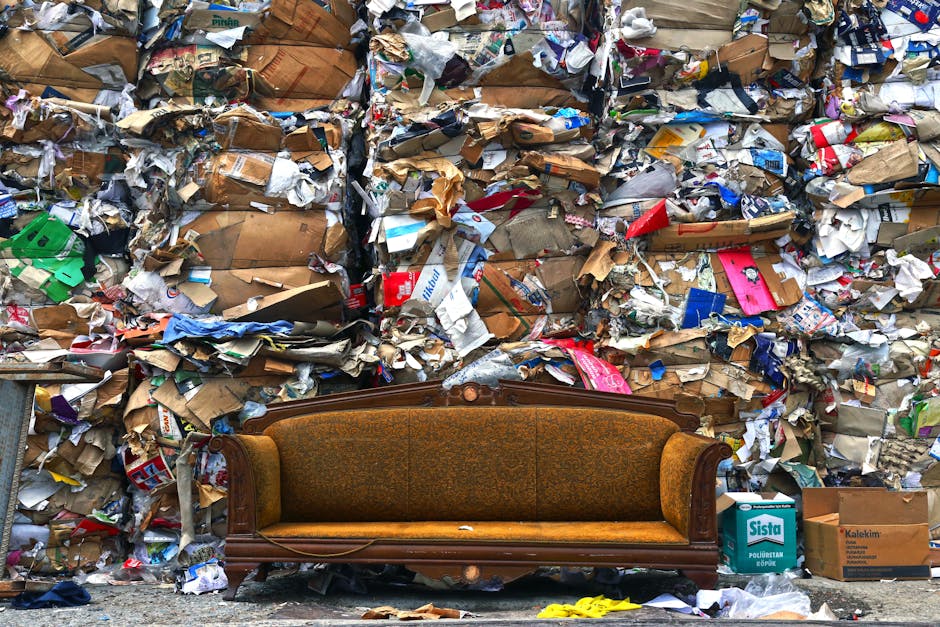
Moving a sofa, bed frame, wardrobe, or office desk sounds simple enough until the disposal side starts to bite. In Lambeth, furniture removals are not just about lifting and loading; they also involve sorting what can be reused, what should be recycled, and what must be treated as bulky waste or rubbish. Get that part wrong and you can end up with unnecessary costs, delays, or an awkward moment at the kerb with an item that should never have been left there in the first place.
This guide explains the practical side of Waste disposal rules in Lambeth for furniture removals in plain English. You will learn how furniture disposal usually works, what to do with items that cannot be reused, how to plan a compliant removal day, and where most people slip up. It is written for real homes, real stairwells, and real London streets - the kind where space is tight, parking is not exactly generous, and a quick decision can make the whole job much easier.
Expert summary: The safest approach is to separate reusable furniture from waste before moving day, avoid illegal dumping at all costs, and plan for bulky items, recycling, and safe loading in advance. That simple habit saves time and stress, every time.
- Why these rules matter
- How furniture waste disposal works in Lambeth
- Benefits of getting disposal right
- Who needs this guidance
- Step-by-step process
- Practical expert tips
- Common mistakes to avoid
- Useful tools and resources
- Compliance and best practice
- Options and comparison table
- Real-world example
- Checklist
- Final thoughts
- Frequently asked questions
Why Waste disposal rules in Lambeth for furniture removals Matters
Furniture removal creates a deceptively messy mix of logistics and responsibility. One chair can be carried down the stairs in thirty seconds, but what happens after that depends on whether it is reusable, recyclable, or genuinely waste. In Lambeth, that distinction matters because the borough, like most of London, expects residents and businesses to dispose of bulky items properly. Leaving a wardrobe on the pavement and hoping for the best is not a strategy. It is a headache waiting to happen.
The rules matter for a few practical reasons. First, they protect local streets from fly-tipping and blocked pavements. Second, they help ensure items are sent to the right place instead of being mixed into general rubbish. Third, they reduce the risk of penalties or complaints, especially if you live in a block, managed estate, or narrow street where neighbours notice everything. To be fair, in Lambeth they usually do notice everything.
This is especially important if you are moving from a flat, student accommodation, or a home with awkward access. A removal team may be able to take the furniture out quickly, but disposal still needs planning. That is why many people combine removal support with a recycling-first approach, which fits naturally with services like recycling and sustainability support and dedicated furniture removals in Lambeth.
There is also a broader trust point here. When furniture is handled correctly, you reduce waste, protect your building access routes, and avoid last-minute improvisation. That can be the difference between a smooth move and a slightly chaotic one that lingers in your memory for all the wrong reasons.
How Waste disposal rules in Lambeth for furniture removals Works
The easiest way to understand furniture disposal is to split the process into three categories: reuse, recycle, and dispose. Not everything old is waste. A solid table with a bit of wear may be better passed on or resold. A broken wardrobe with damaged panels may need dismantling and disposal. A sofa with structural damage, smells, or contamination may need a different treatment again. The exact route depends on condition, material, and collection method.
In practical terms, your removal day usually starts with sorting. Furniture that is going with you gets separated from items staying behind. Furniture that could be reused is identified early. Then the remaining items are checked for safe handling. Bulky furniture often needs to be dismantled so it can be carried safely through hallways, shared entrances, and staircases. If you are moving from a top-floor flat, that one step alone can save a lot of awkward shuffling.
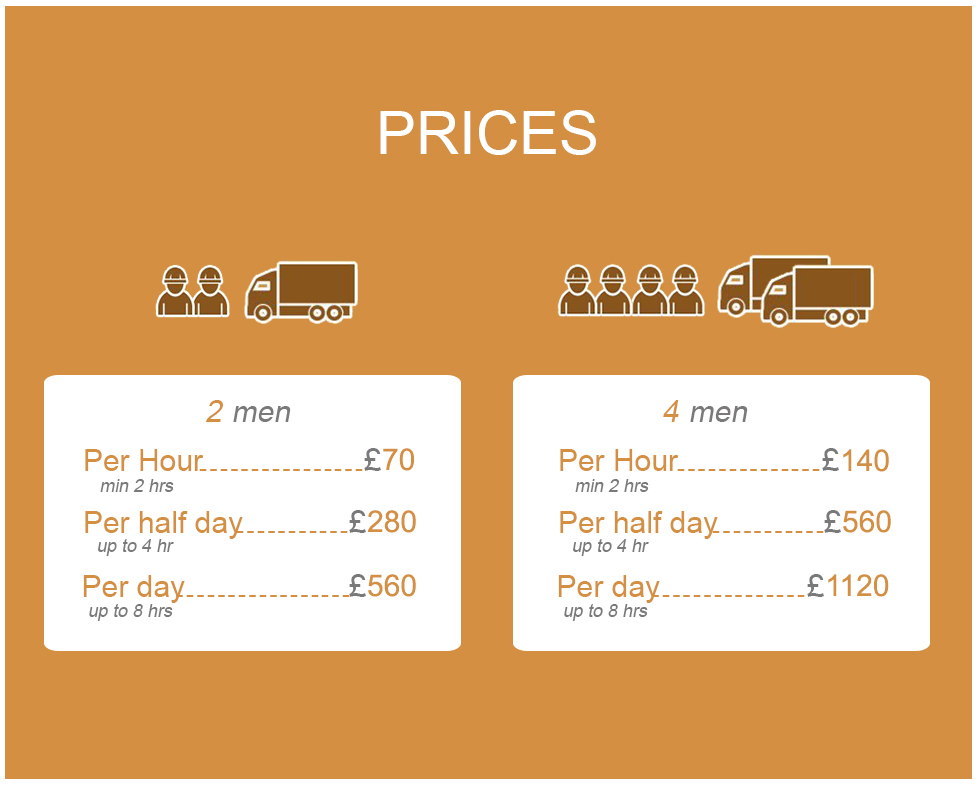
From there, the disposal route depends on what you choose. Some people arrange a separate bulky waste collection. Others use a removals team that can take items away as part of a broader service. For planning purposes, it helps to compare options before moving day, which is why pages like our prices and pricing and quotes are useful when you are estimating the practical side of the job.
One thing to remember: disposal is not the same as abandonment. Putting a sofa beside the road with the hope that someone else will deal with it is not lawful disposal. It is just waste left in public view. That distinction sounds obvious, but it catches people out more often than you would think.
What usually counts as furniture waste?
- Broken or unsafe sofas, chairs, and armchairs
- Damaged wardrobes, cabinets, or shelving
- Worn mattresses or bed bases
- Office desks, drawers, and filing units
- Flat-pack furniture that cannot be reassembled or reused
What may be reusable instead?
- Clean tables and chairs in good condition
- Working office furniture
- Wardrobes with minor cosmetic marks
- Beds and storage pieces that are still structurally sound
If you are not sure, inspect items honestly. A small scratch is one thing. A sagging frame, mould, or loose joints is another. No need to overcomplicate it.
Key Benefits and Practical Advantages
Getting furniture disposal right is not just about avoiding trouble. It makes the whole move cleaner and more manageable. The first benefit is time. When items are sorted before the van arrives, removal teams can load faster, work more safely, and avoid the stop-start chaos of deciding what stays and what goes in the middle of the job.
The second benefit is cost control. If you know in advance what requires disposal, you can choose the right level of support instead of paying for last-minute extras. That matters especially if you are trying to keep removal costs tidy. It is one reason people look at avoiding hidden removals charges in Lambeth before they book.
The third benefit is cleaner compliance. Correct handling reduces the risk of leaving waste behind, causing obstruction, or accidentally sending the wrong item into the wrong stream. That matters for landlords, tenants, homeowners, and businesses alike. If you are moving from a family home, a managed flat, or a commercial space, the same principle applies: sort first, move second, dispose responsibly.
And there is a quieter benefit too. Honestly, the emotional relief is real. When the bulky stuff is gone properly, the space starts to feel lighter. You can almost hear the room breathing again. Slightly poetic, perhaps, but true.
- Cleaner move day
- Less risk of avoidable fees
- Better use of labour and vehicle space
- Reduced chance of complaints or enforcement issues
- More environmentally responsible handling
Who This Is For and When It Makes Sense
This guidance is useful for anyone moving furniture in Lambeth, but a few groups need it especially. Tenants in flats often deal with narrow hallways, shared entrances, and limited storage, which makes even one bulky chair feel like a puzzle. Homeowners planning a house move often have more furniture and more decisions about what to keep. Businesses, meanwhile, may need to clear office desks, chairs, and storage units without disrupting staff or neighbouring premises.
It also makes sense if you are moving under time pressure. Same-day moves, short-notice tenancy end dates, or completion-day chaos can leave no room for improvisation. In those cases, a plan for disposal is not a nice extra. It is essential. A good starting point is same-day removals in Lambeth, especially if furniture clearance has to happen quickly.
This is also relevant for students and sharers. A flat that has slowly accumulated mismatched chairs, bookcases, and desk units tends to produce more waste than people expect. If that sounds familiar, you are not alone. The "we'll sort it later" pile has a way of becoming a very real problem on the final weekend.
Commercial moves have their own version of the same issue. If an office is replacing reception seating or desk layouts, disposal must be coordinated with access, parking, and timing. That is where a structured service such as office removals in Lambeth or broader removal services in Lambeth can keep things orderly.
Step-by-Step Guidance
If you want the cleanest possible process, use this sequence. It keeps the moving day calm and avoids those awkward "where does this go?" conversations while the van is already half loaded.
1. Sort every item before removal day
Walk room by room and decide whether each piece of furniture is keeping, donating, recycling, or disposing. Be strict with yourself. If a drawer sticks, a leg wobbles, or the sofa is deeply worn, treat it as a candidate for disposal rather than hoping someone else will decide for you.
2. Check what can be dismantled
Large pieces often move more safely when dismantled. Beds, wardrobes, shelving units, and desks may come apart into manageable sections. That helps with narrow staircases and reduces the chance of scuffs in communal areas. If access is tight, the planning becomes even more valuable. A useful companion read is tight access property removals in Lambeth.
3. Separate reusable furniture from true waste
Items in decent condition should not be thrown out just because moving feels inconvenient. It may be better to reuse, gift, or arrange a different route. That said, not every item is worth saving. A sofa with structural damage or a wardrobe with water damage should not sit in limbo forever.
4. Confirm disposal arrangements in advance
Decide whether you need a removal team to take the item away, a separate bulky waste collection, or a recycling-focused clearance. The important thing is not to leave it to the last minute. If you want to understand broader service choices, the services overview page is a sensible starting point.
5. Protect shared areas during loading
Wrap corners, avoid dragging, and keep hallways clear. In Lambeth flats and terraces, the damage risk often comes from the journey down the stairs, not the lorry. A careful move protects both the furniture and the building.
6. Use the correct disposal route
Do not leave furniture outside unless you are specifically using a lawful collection arrangement. If you need help with van loading and transport, a man and van in Lambeth setup can be useful for smaller volumes, while larger jobs may suit a fuller removal van in Lambeth arrangement.
7. Keep records if the move involves a business or managed property
For offices, landlords, and managing agents, it can be helpful to note what was removed and when. It is not bureaucracy for the sake of it. It just prevents disputes later, which everyone appreciates, once the dust settles.
Expert Tips for Better Results
A good disposal plan is about judgment, not just speed. The more awkward the property, the more useful that judgment becomes. One tip I always recommend is to start with the largest item first. Why? Because once you know how the biggest sofa or wardrobe will exit the property, everything else becomes easier to organise around it.
Another tip: photograph questionable items before the move. If something might be reused, sold, or donated, a quick photo helps you make the call without second-guessing yourself. It also avoids the classic "I thought we were keeping that" moment, which is funny only once.
For flats, protect common areas with blankets or corner guards if there is any risk of bumping walls. You do not need a full production setup. Just be thoughtful. In a block where several neighbours share one staircase, a small bit of care goes a long way.
Also, match the disposal method to the item. Lightweight tables and stackable chairs may be easy to move with a smaller team, while solid wardrobes, heavy drawers, or awkward corner sofas are better handled as part of a planned removal. If furniture is especially heavy or delicate, services like house removals in Lambeth or even specialist handling such as piano removals in Lambeth can reflect the level of care needed.
Finally, keep your timing realistic. If disposal has to happen on the same day as the move, build in breathing room. A ten-minute delay in the morning has a habit of becoming a stressful afternoon. Been there, seen that, not ideal.
Common Mistakes to Avoid
The most common mistake is assuming that "getting rid of furniture" and "disposing of waste correctly" mean the same thing. They do not. A couch left near the pavement is not magically dealt with just because it is no longer inside your home. You still need a lawful plan.
Another mistake is mixing good furniture with rubbish. This can reduce the value of reusable items and make the whole load harder to manage. If you are planning to sell or donate anything, keep it separate, clean, and easy to identify.
People also forget to measure. That sounds basic, but it matters. A wardrobe that fits down a hallway on paper can still get stuck on a stair turn. One of the better ways to avoid a messy surprise is to measure the item, the route, and the doorways before moving day. A bit of tape measure work saves a lot of muttering later.
Then there is the parking issue. In Lambeth, parking can be part of the disposal challenge, not just the move itself. If the vehicle cannot stop close enough to the property, people end up carrying items further than expected. That leads to fatigue, delays, and the occasional scrape on the wall. It is worth reading Lambeth Council parking permit rules for removals before the day arrives.
Last one: do not leave bulky items for "later" after the move. Later tends to mean never, or at least not until someone complains. Better to clear them while the plan is still in your head and the team is still there.
Tools, Resources and Recommendations
You do not need a complicated toolkit, just the right basics. A tape measure helps you confirm what can fit through doors and stairwells. Strong gloves can make handling old wood, staples, and splintered edges safer. Furniture sliders are useful on smooth floors, though they are not a magic trick. And yes, a marker pen and tape can save confusion when you label items for keep, donate, recycle, or dispose.
If you are comparing service levels, it helps to look beyond the vehicle itself. Ask whether the team can dismantle items, carry them from upper floors, and separate disposal from transport. That is the difference between a simple lift-and-load and a more thoughtful move. For broader planning, the removals in Lambeth page and removal companies in Lambeth page give a feel for the type of support available.
If you want to keep things tidy and safe, consider storage too. Some items are not waste after all; they just do not belong in the next home. Temporary storage can buy you time to decide properly. That is where storage in Lambeth can be useful.
For packing and pre-sort tasks, strong boxes, labels, and protective wrap matter more than people think. A well-labelled room of items means less confusion on removal day and fewer "which bit of the bed is this?" conversations. If you need a more organised packing setup, look at packing and boxes in Lambeth.
Law, Compliance, Standards, or Best Practice
While this article is not legal advice, there are some sensible compliance principles to keep in mind. In the UK, waste should be passed to an appropriate and lawful disposal route. For furniture removals, that means you should avoid dumping items in the street, on communal land, or anywhere they are not meant to be left. If a collection is arranged, it should be arranged properly and not improvised at the last minute.
Best practice in Lambeth is to treat furniture disposal as part of the removal plan, not as an afterthought. That includes separating reusable items from waste, using the correct collection method, and avoiding obstruction to pavements or shared access routes. If you are a tenant, it is also sensible to check your building's rules or tenancy expectations, especially in managed blocks where leaving items in communal areas may breach house rules even before waste concerns come into play.
For business customers, keeping basic records of what was removed can be helpful. It is a simple way to demonstrate that items were handled intentionally rather than abandoned. The same goes for landlords and letting agents who are clearing a property between occupiers. A structured approach is cleaner, safer, and usually less stressful.
In short: lawful disposal, clear sorting, and sensible handling. That is the standard worth aiming for. Nothing glamorous, but it works.

Options, Methods, or Comparison Table
There is no single right way to handle furniture disposal in Lambeth. The best method depends on condition, quantity, timing, and access. Here is a practical comparison to help you choose.
| Method | Best for | Pros | Watch-outs |
|---|---|---|---|
| Reuse or donation | Furniture still in good condition | Often the most sustainable option; keeps items in circulation | Not suitable for damaged, dirty, or unsafe items |
| Bulky waste collection | Large items that are no longer usable | Clear route for disposal; suitable for single items or a few pieces | Needs advance planning; not ideal for very urgent moves |
| Removal team disposal | Households and businesses wanting a simple all-in-one process | Convenient; less handling for the customer | Costs can rise if disposal is added late or with little notice |
| Man and van clearance | Smaller volumes or flexible schedules | Good for lighter loads; often practical for flats | May not suit heavy, awkward, or specialist furniture |
| Storage first, decision later | Items you are unsure about | Buys time; avoids hasty disposal | Not a disposal solution by itself |
The table is deliberately simple. In real life, people often mix methods: keep the sofa, donate the chair, dispose of the broken desk, and store the spare sideboard for a week while they decide. That is normal. Moving is messy like that, and life does not always hand you neat categories.
Case Study or Real-World Example
Picture a couple moving out of a second-floor flat in Lambeth. They have one large sofa, a bed frame, a small dining table, and two office chairs. The sofa is too worn to keep, the bed frame can be dismantled and moved, the table is still usable, and one chair is missing a wheel. On paper it looks straightforward, but the staircase is narrow, the landing is tight, and the building entrance opens onto a busy street.
What works best in this kind of move? First, they sort the items before moving day. The dining table is cleaned and offered for reuse. The sofa is marked for disposal. The bed frame is dismantled. The broken chair is grouped with the waste. Because the items are already assigned to a category, the removal team does not waste time guessing. The load is quicker, the hallway is clearer, and the move feels much more controlled.
Now compare that with a less organised version. Everything is left to decide on the day, the team arrives, and nobody is sure whether the table should go or stay. That kind of uncertainty slows the job down, and in a property with steep stairs, every extra minute counts. Not a disaster, just unnecessary friction.
We see the same pattern in office moves too. A business in Vauxhall upgrading desks and reception furniture benefits from advance sorting, especially if it is working around a timetable. For that sort of project, office removals near Nine Elms can be a useful reference point for planning around timing and access.
Practical Checklist
Use this before your furniture removal day. Keep it printed, scribbled on, or on your phone - whichever you are more likely to actually use.
- Walk through every room and list furniture to keep, donate, recycle, or dispose
- Measure large items and compare them with doorways, stairwells, and landings
- Decide whether items need dismantling
- Separate reusable furniture from true waste
- Check whether any item needs special handling because it is heavy, fragile, or awkward
- Confirm how waste will be removed and by whom
- Make sure the loading area and parking plan are sorted in advance
- Protect walls, floors, and corners in shared spaces if needed
- Label items clearly so nothing is accidentally thrown away
- Finish the move with all bulky waste lawfully removed, not left behind
Quick reminder: If the item is still usable, do not rush it into the waste pile just because you are tired. That tired decision is the one you may regret later.
Conclusion
Waste disposal rules in Lambeth for furniture removals are easier to manage when you treat them as part of the move rather than a separate problem. Sort early, check what can be reused, plan for bulky or broken items, and make sure nothing is left in a communal or public space without a proper arrangement. That is the core of it. Simple on paper, a bit more involved in real life, but absolutely manageable with a little forethought.
If you are preparing for a flat move, house move, office clear-out, or a last-minute clearance, the best next step is to choose the disposal route that fits your furniture, your timing, and your access conditions. A little planning now can save a surprising amount of hassle later. And yes, a surprisingly peaceful moving day is possible. Not guaranteed, but possible.
Get a free quote today and see how much you can save.