Brixton Market removals guide for narrow streets
Posted on 29/04/2026
Moving near Brixton Market can feel a bit like solving a live puzzle. The streets are busy, parking is tight, bins are out, deliveries are happening, and there is usually somebody trying to squeeze past at the worst possible moment. If you are planning a move in this part of South London, a Brixton Market removals guide for narrow streets is less of a nice-to-have and more of a sanity saver.
This guide walks you through the practical side of moving in and around Brixton Market, especially where access is awkward, vans need to be positioned carefully, and timing matters more than people first expect. You will find clear steps, common mistakes, compliance points, and realistic advice for flats, terraces, shared houses, and small business premises. Truth be told, narrow streets do not need to make moving miserable. With the right plan, they just need respect.
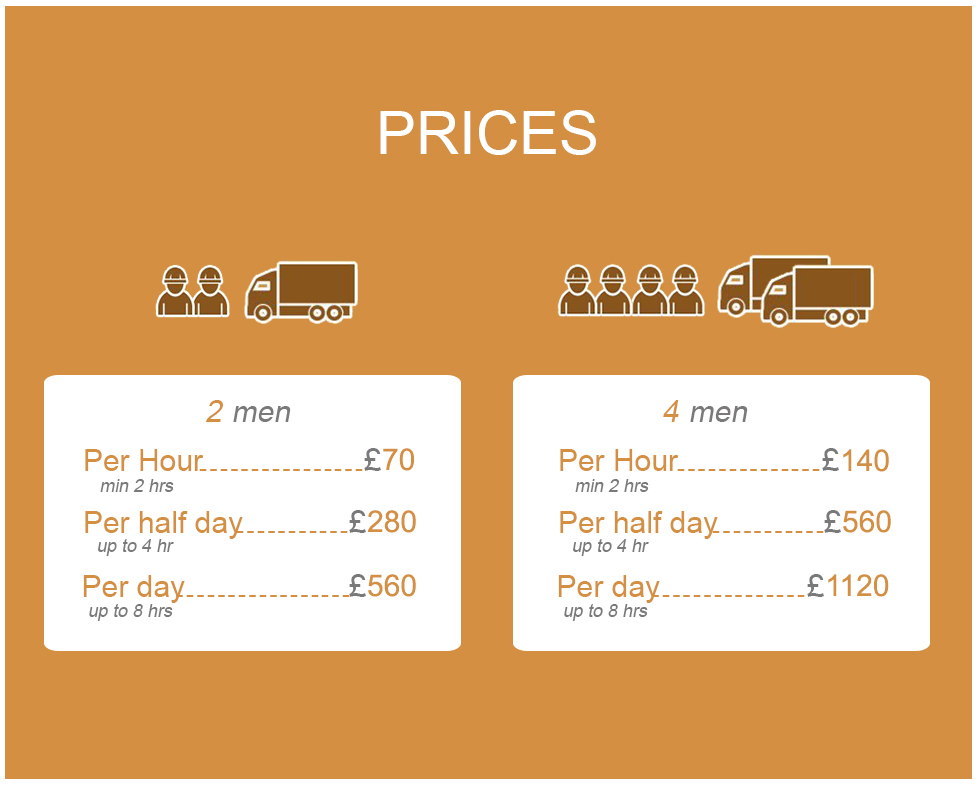
If you are comparing services as you read, it can help to look at local removals in Lambeth, check pricing options, or explore a more specific fit such as man and van support in Lambeth for lighter loads and tighter access.

Why Brixton Market removals guide for narrow streets Matters
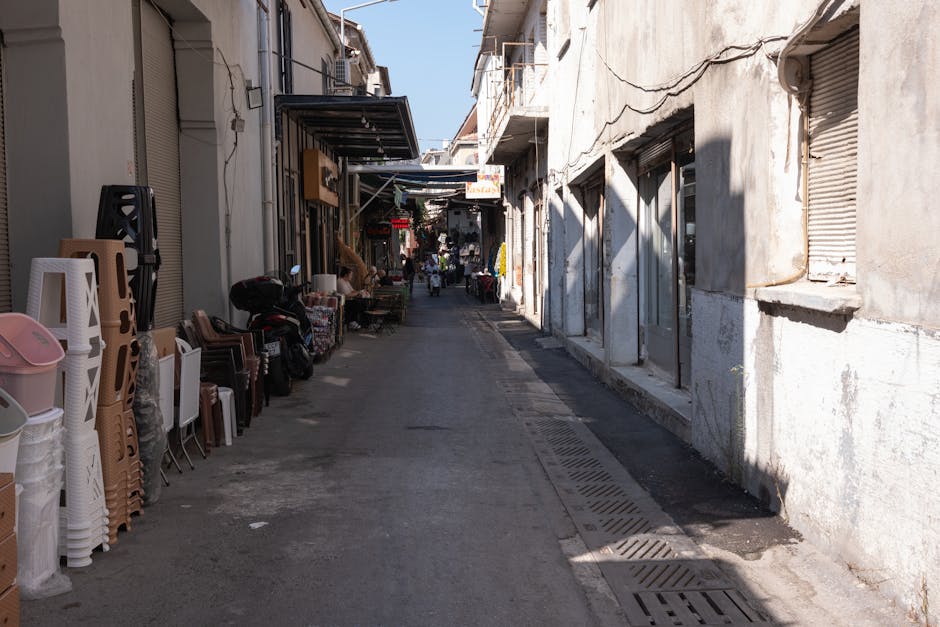
Brixton Market sits in a part of London where foot traffic, delivery activity, and dense housing all meet at once. That makes any move more complicated than a standard suburban job. A removal van may be able to reach the area, but getting close enough to load and unload safely is another matter entirely.
Narrow streets create a chain reaction of small problems. If the van blocks the road for too long, neighbours get frustrated. If you park too far away, the carry distance increases and the move takes longer. If you arrive at the wrong time, you may end up competing with market deliveries, school runs, buses, or food delivery bikes weaving through. It is a lot. And yes, it can be managed, but only if the move is planned around the area rather than against it.
For people moving within SW9 or nearby, local knowledge matters as much as lifting equipment. That is why services such as SW9 removals in Lambeth can be especially useful; the issue is not just transport, it is timing, access, and route awareness.
In our experience, the biggest difference between a stressful move and a controlled one is simple: realistic expectations. Brixton Market is lively, layered, and often just a bit unpredictable. If you plan for that reality, the day becomes much easier.
How Brixton Market removals guide for narrow streets Works
A good move in a narrow-street area starts before the van ever arrives. The process usually involves checking access, estimating carry distances, deciding where the vehicle can legally stop, and choosing the right size of vehicle for the job. Sometimes the best answer is a larger van parked slightly further away. Other times, a smaller vehicle or a split-load approach is safer and faster. It depends on the property, the street layout, and the amount of furniture.
Here is the basic logic. First, the removals team needs a clear picture of the property type. A top-floor flat with a long stairwell is not the same as a ground-floor shop unit with rear access. Second, they need to understand the local road conditions. Brixton's streets can vary wildly within a short walk. Some stretches are wider than they look; others are awkward because of parked cars, corners, and pedestrian pinch points. Third, packing and loading should be designed to reduce the number of trips between property and van.
When the access is tight, smaller practical details become important. Which entrance is easiest? Is there a back gate? Is there space for a temporary pause while loading? Can furniture be disassembled first? Would a flat removals service or house removals support be more suitable for the property type? These are the kinds of decisions that save time on moving day.
It also helps to think in zones: inside the property, outside the property, and on the road. If any one of those three breaks down, the whole move slows. That sounds obvious, but when you are carrying boxes down a narrow stairwell while a van waits half a street away, obvious becomes very valuable.
Key Benefits and Practical Advantages
A well-planned move through Brixton Market's narrow streets does more than prevent hassle. It protects belongings, reduces labour time, and lowers the chance of avoidable damage. There is also a big emotional benefit, which people sometimes overlook. A calm move feels achievable. A chaotic one feels endless.
- Shorter loading time: The right plan reduces back-and-forth trips, especially where the van cannot park directly outside.
- Less risk of damage: Fewer rushed manoeuvres mean better handling for furniture, mirrors, framed art, and appliances.
- Better neighbour relations: A tidy, controlled move is much less likely to block entrances or create complaints.
- Smarter vehicle choice: Choosing the right van size can be more efficient than simply going bigger.
- Lower stress for you: That may sound vague, but it matters. When access is handled properly, everything else feels more manageable.
There is another advantage too: strong planning helps if the move needs to be linked to storage, delayed handover, or a phased schedule. If your new home is not ready, or you are staging a flat while waiting for completion, a local storage option in Lambeth can keep the process from becoming a messy chain of favours and last-minute favours from friends.
One practical bonus that people often forget is packing discipline. In tight streets, every extra minute counts, so a move that begins with good labelling and compact boxing is simply easier. Simple as that.
Who This Is For and When It Makes Sense
This guide is useful for anyone moving around Brixton Market, but some people will feel the benefits more than others.
- Flat movers: Especially if you are on an upper floor, have narrow internal stairs, or share a building entrance.
- Students and renters: Small moves often happen quickly, but the streets still do not get any wider. A modest load still needs a plan.
- Homebuyers: If you are settling into a new property in or around SW9, the first day can be hectic, so a simple logistics plan helps a lot. For anyone still in the buying stage, the guide to buying a home in Lambeth and property buying guidance are useful background reading.
- Small businesses: Market-adjacent shops, studios, and office spaces often need moves outside peak hours and with careful access coordination.
- Anyone with bulky items: A piano, large wardrobe, or awkward sofa changes the equation straight away.
It also makes sense if you are moving on a tight schedule. Same-day changes are not ideal in busy areas, but sometimes life does not wait for the perfect timetable. If that is your reality, a same-day removals service may be worth considering, provided the access details are shared early and honestly.
And let's face it, sometimes the move is not huge. A few boxes, a bed, a desk, and a wardrobe can still turn into a small battlefield if you underestimate the route from front door to van.
Step-by-Step Guidance
Here is the cleanest way to approach a move in narrow Brixton streets without overcomplicating it.
- Survey the street first. Walk the route from property to parking point. Look for turns, bollards, loading restrictions, one-way sections, and places where two people cannot easily pass.
- Measure awkward items. Note widths of sofas, beds, mattresses, and wardrobes. If furniture can be dismantled, do that before moving day where possible.
- Decide the parking plan. Work out where the van can reasonably stop without causing problems. If the street is too tight, identify a legal fallback point.
- Pack for carry distance. Use sturdy boxes, label them clearly, and keep heavier items in manageable loads. If you need supplies, packing and boxes support can save time and reduce the chance of flimsy cartons collapsing halfway down a staircase.
- Tell the removals team about access conditions. Narrow stairs, no lift, top-floor flat, limited parking, resident-only zones, or rear access all matter.
- Plan the loading order. Put essentials, fragile items, and the first-night box where they can be reached quickly.
- Time the move thoughtfully. Early starts often work best. Midday around Brixton Market can be lively, to put it mildly.
- Protect entry points. Use door protectors, floor covers, and blankets where needed, especially in older buildings with scuffed hallways.
- Do a final sweep. Check cupboards, loft spaces, behind doors, and under beds before the van leaves. People always forget one drawer. Always.
If the move involves particularly large or fragile items, such as an upright piano or a heavy cabinet, a specialist approach is safer. See piano removals in Lambeth and furniture removals support for examples of how bulky items are usually handled with more care.
Expert Tips for Better Results
Small choices make a large difference in narrow streets. Here are the practical tips that tend to matter most.
- Keep a buffer in the schedule. Traffic, parking delays, or a slower stairwell can eat time quickly. A 20-minute delay can feel bigger than that when the van is already loaded.
- Use consistent labels. Write room name, priority, and any fragile note on each box. The more direct, the better.
- Separate essentials early. Tea bags, chargers, bedding, toiletries, and documents should not disappear into the van maze.
- Take photos of awkward access. A few clear pictures of the stairwell, the street, and the front entrance can help the removals team prepare properly.
- Disassemble what you can. Flat-pack furniture, bed frames, and some table legs are often easier to move when broken down in advance.
- Choose the vehicle to suit the route. Bigger is not always better. A medium van can sometimes beat a larger one if the street is unforgiving.
A useful rule of thumb: if you would not enjoy carrying it for 30 metres, do not assume the team will enjoy it either. That is not sarcasm, just practical respect.
If you want a broader view of local moving support and service coverage, the services overview and removal services in Lambeth pages are good places to see what is typically available.
Common Mistakes to Avoid
A lot of moving problems in Brixton Market are not dramatic failures. They are tiny oversights that stack up.
- Assuming the van can park right outside. In narrow streets, that assumption causes most of the day's frustration.
- Underestimating carry distance. A property that is "just around the corner" can still involve a surprisingly long walk with boxes.
- Ignoring the market rhythm. Delivery times, opening hours, and busy pedestrian periods can change what is possible.
- Leaving packing until the night before. Rushed packing is where damage and confusion usually begin.
- Forgetting building rules. Some flats have access windows, entry codes, or concierge procedures. Sounds minor, but missing one detail can stall everything.
- Not checking insurance and safety procedures. If the move is being handled professionally, it should be clear how items are protected and what happens if something is damaged.
One particularly common mistake is believing that a small move does not need planning. That is rarely true in this part of London. A small move in a difficult street can be more awkward than a larger one with simple access.
If you are comparing providers, do not look only at the headline price. A company that is transparent about move planning, safety, and support is often the better choice. Useful references include pricing and quotes and insurance and safety information.
Tools, Resources and Recommendations
The right tools do not make a bad plan good, but they make a good plan work much better.
| Tool or resource | Why it helps | Best use in narrow streets |
|---|---|---|
| Strong moving boxes | Protects contents and stacks more safely | Useful when multiple short carries are needed |
| Furniture blankets | Helps reduce knocks and scuffs | Excellent for tight hallways and door frames |
| Hand trolley or sack truck | Reduces manual strain on heavier boxes | Helpful where the van must park further away |
| Floor and corner protection | Prevents avoidable damage inside the property | Particularly useful in older flats and shared entrances |
| Clear inventory list | Keeps track of items during a complicated move | Very useful when the load is split between van trips or storage |
For some households, it makes sense to combine services. For example, a renter in a top-floor flat may use student removals style support for a light move, while a family with bulky furniture may need a fuller house removals service. There is no prize for choosing the hardest option if the simpler one would do the job better.
Also worth considering: if your move is part of a larger life change, a bit of local context helps. The Lambeth resident guide and the broader piece on getting to know Lambeth offer useful background on the area's pace and character.
Law, Compliance, Standards, or Best Practice
Moving in Brixton Market does not usually involve complicated legal processes, but there are still important practical standards to follow. The most sensible approach is to treat parking, access, safety, and neighbour impact seriously.
In everyday terms, that means checking local parking restrictions before the move, avoiding obstruction, and making sure any loading is done safely and respectfully. If a location requires permission, permits, or specific access arrangements, those should be sorted in advance rather than assumed on the day. London streets can be unforgiving when people improvise.
From a safety standpoint, professional movers should work with sensible handling methods, suitable equipment, and clear communication. That includes protecting shared areas, reducing trip hazards, and not overloading boxes or lifting awkward items without help. If you are hiring a removals company, their health and safety policy should give you a clear sense of how they approach risk.
It is also wise to review the practical boundaries of the service itself. Terms, payment arrangements, and complaints processes may not be the fun part, but they matter if anything changes. You can check payment and security details and complaints procedures if you want to understand how a provider handles issues professionally.
Finally, if sustainability matters to you, ask how unwanted items are handled. Reuse, donation, and responsible disposal are often possible in a planned move. See recycling and sustainability practices for a practical example of how greener removals thinking fits into the process.
Options, Methods, or Comparison Table
There is no single best way to move in a narrow Brixton street. The right method depends on what you are moving, how far the van can get, and how much time you have.
| Option | Best for | Advantages | Trade-offs |
|---|---|---|---|
| Man and van | Smaller loads, flats, student moves | Flexible, efficient, often better for awkward streets | Less suitable for large family moves |
| Full removals service | Larger homes, more furniture, long carry distances | More support, better for heavy or mixed loads | Can cost more than a smaller service |
| Same-day removals | Urgent changes and fast turnarounds | Quick response when time is tight | Less room for ideal planning; access details must be accurate |
| Self-move with hired van | Very small loads and confident organisers | Can appear cheaper at first glance | Higher personal workload and more risk in tight streets |
For many Brixton Market moves, a man with a van or removal van arrangement makes the most sense, especially where the property is compact and access is constrained. For bigger or more complex jobs, a broader removal company may be the safer choice.
As a rough decision rule: if your move requires multiple fragile items, awkward furniture, or careful coordination with building access, lean toward the option with more support. If it is a short, light move and the access is manageable, simplicity can be your friend.
Case Study or Real-World Example
Imagine a move from a second-floor flat just off Brixton Market into another property a short distance away in SW9. The load is not huge: a sofa, bed frame, mattress, desk, several boxes, and a couple of mirrors. On paper, that sounds straightforward. In practice, the street is narrow, parking is limited, and the stairwell in the old building has one awkward turn.
The best plan would likely involve early arrival, a smaller van positioned at the safest legal stop point, and a carry route measured in advance. The sofa would be checked for dismantling, the mirrors packed separately, and the boxes labelled by room so unloading into the new place is quick. If the new property had no immediate space for everything, a small amount could be held in storage temporarily rather than cramming the move into one stressful afternoon.
What usually makes the biggest difference in a case like this is not brute force. It is sequencing. Load the awkward items first, protect the route inside both buildings, keep the essentials box close, and avoid that classic moment where someone says, "It'll be fine, we'll just park anywhere." In Brixton, that sentence rarely ages well.
A small office move nearby would follow a similar logic, though with more emphasis on timing and equipment. If that sounds familiar, the office removals page is worth a look for the sort of support that suits desks, files, and tech equipment.
Practical Checklist
Use this before moving day. It is simple, but it catches the details people usually miss.
- Confirm the full address, floor level, and exact entrance to be used
- Check parking restrictions and loading options near Brixton Market
- Measure large furniture and note anything that needs dismantling
- Pack a first-night box with essentials
- Label all boxes by room and priority
- Tell the removals team about stairs, lifts, narrow halls, and access codes
- Protect floors, corners, and door frames where needed
- Arrange storage if your timings do not line up neatly
- Keep valuables, documents, and keys with you
- Do a final walk-through of every cupboard, drawer, and shelf
Expert summary: In narrow Brixton streets, the winning move is not the fastest one on paper. It is the one that respects access, uses the right vehicle, packs intelligently, and leaves enough margin for real London life to happen.
Conclusion
A move around Brixton Market does not need to be chaotic just because the streets are narrow. With the right planning, the right vehicle, and a realistic sense of the area's rhythm, the whole process becomes more manageable than most people expect. The key is to prepare for access challenges before they become moving-day problems.
If you are deciding between service types, think about load size, parking pressure, stair access, and timing. For some people, a smaller, flexible option is enough. For others, a fuller removals service gives the reassurance they want. There is no one-size-fits-all answer here, and that is fine.
Get a free quote today and see how much you can save.
And if you take one thing from this guide, let it be this: a calm move in a tight Brixton street is absolutely possible. It just starts with respect for the street, the schedule, and your own future self on moving day.