Clapham Common house removals tips for flats
Posted on 07/05/2026
Moving out of a flat near Clapham Common can feel simple on paper and oddly complicated in real life. There are stairwells to measure, parking to think about, neighbours to keep sweet, and boxes that somehow multiply overnight. If you are planning a move in SW4, the right approach can save time, reduce stress, and stop a small delay from turning into a whole messy afternoon.
This guide brings together practical Clapham Common house removals tips for flats, with local sense, sensible planning, and the kind of advice that actually helps on moving day. Whether you are leaving a top-floor conversion, a purpose-built block, or a compact rented flat with tight access, you will find a clear plan here. And yes, a bit of patience helps too. To be fair, it usually does.
Why Clapham Common house removals tips for flats Matters
Flat moves around Clapham Common tend to be more layered than house moves. That is the honest version. You are often dealing with shared entrances, narrow hallways, stair-only access, resident permit bays, controlled parking, and busy roads that do not forgive poor timing. A move that would be straightforward in a suburban house can become awkward very quickly in a London flat.
There is also the human side. In a block of flats, one bad decision can affect other people: blocking the lift, leaving packaging in a communal corridor, or delaying a van in a spot someone else needs. Good planning keeps the move calm and keeps relations intact. That matters more than people think.
If you are new to the area or moving locally, it helps to understand Clapham Common's rhythm. Weekends can be lively, school-run hours can feel busy, and even a small road near the Common can get awkward if parking was not thought through. If you want more local context, this Lambeth resident's guide gives a useful wider picture of the borough.
Key point: flat removals near Clapham Common are less about brute force and more about sequencing, access, and being realistic about space. That is where the difference is made.
How Clapham Common house removals tips for flats Works
At a practical level, a successful flat move follows a simple pattern: assess access, reduce volume, book the right transport, protect the property, and move in a controlled sequence. It sounds almost too neat, but that structure is what keeps the day from going sideways.
For flats, the removal process usually starts long before the van arrives. You may need to check if the building has a lift, whether it is shared, whether a move can be booked during certain hours, and whether a loading bay or parking permit is required. In some buildings, you may also need to notify the managing agent or concierge. It is one of those boring steps that saves a lot of drama later.
Once access is clear, packing should be done in a way that matches the property layout. Small boxes for books, medium boxes for general items, wardrobe cartons for clothes, and careful wrapping for fragile items all make life easier when you are carrying everything down a staircase in awkward bursts. If you need a broader packing guide, the packing and boxes service page is a practical starting point.
For people moving out of a one- or two-bedroom flat, the vehicle choice can matter just as much as the packing. Sometimes a larger removal van is the best option; sometimes a smaller man and van service in Lambeth is more sensible for short local trips or lighter loads. There is no prize for using a bigger vehicle than you actually need.
Key Benefits and Practical Advantages
Getting flat removals right near Clapham Common delivers benefits that are both obvious and slightly underestimated.
- Less physical strain: fewer return trips and better box planning mean less carrying up and down stairs.
- Lower chance of damage: good packing and route planning help protect furniture, walls, lifts, and door frames.
- Better time control: a tidy schedule reduces the risk of waiting around with a van booked and nobody ready.
- Fewer neighbour issues: careful timing and considerate access use keep communal areas calm.
- More predictable costs: when the access details are clear, quotes tend to be more accurate.
There is also a subtle benefit: you arrive at the new place with a bit more energy left in the tank. That matters. Anyone who has carried a sofa through a Victorian stairwell at 5pm knows that mental fatigue can become physical fatigue very quickly.
If you are comparing service styles, it may help to review flat removals in Lambeth alongside broader house removals options so you can decide what level of support fits your move.
Who This Is For and When It Makes Sense
This advice is for anyone moving out of a flat near Clapham Common, but it is especially useful if you are facing one of these situations:
- you live in a top-floor flat with no lift
- your building has narrow hallways or tight stair turns
- you need to book parking or loading access in advance
- you are moving furniture that is awkward, heavy, or fragile
- you are trying to complete the move in one day
- you are moving as a renter and need to hand back the flat in good condition
- you are moving locally within SW4 or nearby Lambeth areas
It also makes sense if you are juggling work, childcare, or a completion deadline. Let's face it, most people do not have the luxury of a full week to organise a move. You need a plan that holds up under pressure, not a perfect one in theory.
If you are still in the property search phase, local articles such as buying a home in Lambeth and the guide to buying property in Lambeth can help you think ahead about move timing, deposit handover, and coordination.
Step-by-Step Guidance
A good flat move is mostly about sequence. If one part goes out of order, the whole day can feel more difficult than it should. Here is a sensible structure.
1. Check access before you book anything
Measure the doorways, stair turns, and lift dimensions if there is a lift. A common mistake is assuming a wardrobe or bed frame will fit because it fitted in your old home. Different building, different angles, different problems. In older Clapham properties, especially period conversions, the awkward part is often not the item itself but the bend halfway down the stairs.
2. Confirm parking and loading arrangements
Parking near Clapham Common can be tight, and a moving vehicle needs a realistic stopping point. Check whether your street requires resident permit parking, a visitor permit, or special loading arrangements. If you are working with professional movers, share the exact postcode, access details, and any building restrictions early. That simple bit of admin prevents a lot of last-minute circling.
3. Declutter before packing begins
Do not pay to move items you no longer use. Old storage boxes, duplicate kitchen gadgets, broken chairs, and forgotten exercise equipment are classic move-day surprises. Separate items into keep, donate, recycle, and dispose piles. If you want a more sustainable approach, the recycling and sustainability page is worth a look.
4. Pack by room, then by priority
Label each box with the room and a short contents note. Keep a separate "first night" box for essentials such as chargers, basic toiletries, kettle items, medication, a couple of mugs, cleaning wipes, and bedding. It is a tiny thing, but it makes the first evening feel much more manageable.
5. Protect common areas and furniture
Use furniture blankets, corner protectors, and floor coverings where needed. In shared buildings, keeping walls and bannisters protected is not just polite, it helps avoid disputes. For delicate or bulky pieces, such as large wardrobes, mirrors, or dining tables, consider specialist furniture removals in Lambeth.
6. Time the move carefully
If possible, avoid the busiest parts of the day, especially if your route involves local roads around the Common. Morning starts often work best because there is more daylight, less fatigue, and usually fewer complications. By late afternoon, people are tired, traffic feels heavier, and even simple jobs start to feel strange. That is just moving day doing its thing.
7. Walk through the flat once it is empty
Before handing back keys, check cupboards, top shelves, under beds, behind radiators, and inside utility spaces. People always leave one small item somewhere. Always. A charger, a photo frame, a bag of screws. It happens to everyone.
Expert Tips for Better Results
Here are the details that often separate a smooth flat move from a stressful one.
- Use smaller boxes for heavy items. Books in a huge box is a classic mistake. It becomes unliftable before you know it.
- Take photos of cable setups. This saves time when rebuilding your TV, Wi-Fi, or desk area at the new place.
- Keep screws and fittings in labelled bags. Tape them to the matching furniture if possible.
- Wrap glass separately. Do not let picture frames rub against each other.
- Book extra help for awkward items. A piano, for example, is not a "we'll manage somehow" object. It needs specialist handling, such as piano removals in Lambeth.
- Tell neighbours in advance. A quick note in the lobby or a polite message can prevent friction, especially if the move might briefly affect access.
One practical trick from experience: keep a roll of tape, scissors, bin bags, and a marker pen in your coat pocket or an open tote bag. Not in a sealed box. You will need them exactly when everything else is out of reach.
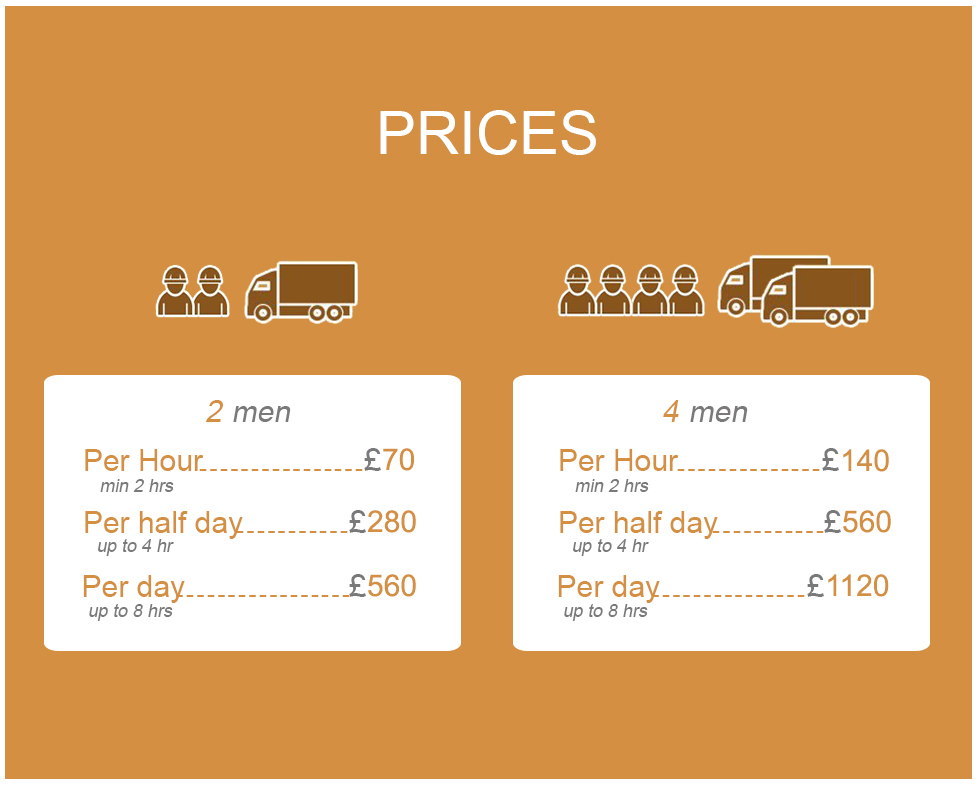
If you are looking at quotes, compare not only the headline price but also what is included. You can review pricing and quote guidance and, if you want a sense of typical service structure, take a look at our prices. The cheapest option is not always the best value if access is difficult.

Common Mistakes to Avoid
Flat moves in Clapham Common go wrong in fairly predictable ways. The good news is that most of them are avoidable.
- Leaving parking to the last minute. This is probably the biggest one. A van with nowhere to stop becomes a very expensive obstacle.
- Overfilling boxes. Heavy boxes split, slow the move, and are awkward on stairs.
- Ignoring building rules. Some blocks have lift booking times, noise expectations, or move windows. Check before the day.
- Not measuring large furniture. It is frustrating, but a sofa that cannot turn the landing corner is not going anywhere quickly.
- Forgetting a contingency plan. What happens if the lift is out of order? What if the van cannot park right outside?
- Skipping insurance questions. Even careful moves carry some risk. Make sure you understand the cover offered by the service you book.
There is also the classic emotional mistake: assuming everything will somehow sort itself out on the day. Sometimes it does. But usually not without a bit of prep.
Tools, Resources and Recommendations
You do not need a van full of fancy gear, but the right moving kit makes a real difference in a flat move.
- Strong cardboard boxes in a few sizes
- Packing tape and dispenser
- Marker pens and labels
- Bubble wrap or paper wrapping for fragile items
- Furniture blankets or thick quilted covers
- Stretch wrap for drawers, doors, and soft furniture
- Dolly or sack truck where appropriate and safe to use
- Gloves with grip for better handling
- Bin bags for quick last-minute clearing
For anyone weighing up different support levels, the broader services overview is useful. If you are only moving a few items, a man with a van in Lambeth may be enough. If your flat contains more furniture, using a fuller removals service in Lambeth may be the calmer route.
For people who need temporary holding space between tenancies or completion dates, storage options in Lambeth can help bridge a gap without rushing the whole move.
Law, Compliance, Standards, or Best Practice
Flat removals are not usually about heavy legal complexity, but there are still practical standards worth following. Building rules, parking restrictions, and landlord or managing agent requirements can affect how and when you move. In London, these can be the things that make or break a smooth day. Always check the property's move-out instructions if they exist.
From a safety point of view, good removal practice means lifting carefully, avoiding blocked exits, and keeping communal routes clear. That sounds basic, but you would be surprised how often people rush and ignore it. If a company is helping you move, it should have sensible procedures for handling heavy items, protecting property, and reducing risk. You can review the company's health and safety policy and insurance and safety guidance to understand its approach.
It is also worth checking service terms before you book, especially where timing, access, or cancellations may matter. The terms and conditions and payment and security pages are useful for that sort of pre-booking clarity. A bit of admin now beats a misunderstanding later. Truth be told, that is one of the cheapest stress-reducers available.
Options, Methods, or Comparison Table
Different flat moves call for different levels of support. Here is a simple comparison to help you choose.
| Option | Best for | Pros | Watch-outs |
|---|---|---|---|
| Self-move | Very small loads, short distances | Lowest upfront cost, full control | Time-consuming, physically demanding, higher risk of damage |
| Man and van | Studio flats, lighter moves, local trips | Flexible, often cost-effective, good for quick turnarounds | Less suitable for larger furniture volumes or tricky access if underplanned |
| Full removal service | One-bed to larger flats, stairs, bulky furniture | More support, smoother loading, better for complex access | Usually costs more than a basic van hire option |
| Storage plus removals | Delayed completions, downsizing, staging a move | Extra flexibility, less pressure on move day | Requires extra planning and likely additional cost |
For a lot of Clapham flat moves, the sweet spot is a well-planned van service rather than a complicated DIY job. If you live near the Common and access is awkward, that extra support can be worth far more than it looks on paper.
Case Study or Real-World Example
Picture a two-bedroom flat just off Clapham Common South Side. The property is on the second floor, there is no lift, and the street has limited stopping space. The move is local, but the furniture includes a bed, sofa, dining table, a wardrobe, and a few fragile boxes of kitchenware.
In a rushed version of this move, the main problems would likely be parking, slow stair loading, and too many heavy boxes packed badly. That is where delays begin. But with a better approach, the day becomes manageable:
- the largest furniture is measured in advance
- the sofa is wrapped before the van arrives
- boxes are split by room and weight
- the van arrives at an agreed time window
- a second person helps manage the stair run
- the first-night essentials bag stays accessible
The result is not dramatic. It is just calm. And calm, on moving day, is worth a lot. You still sweat a bit, you still get the odd scrape on a hallway corner, but the move finishes without a crisis. That is a good day, honestly.
Practical Checklist
Use this before moving day so you are not relying on memory when things get busy.
- Confirm moving date and access times
- Check if lift booking is needed
- Arrange parking or loading space
- Measure large furniture and key doorways
- Book the right type of removals support
- Pack a first-night essentials bag
- Label all boxes clearly by room
- Separate items to donate, recycle, or discard
- Protect floors, walls, and delicate furniture
- Notify neighbours or building management if needed
- Keep keys, documents, and valuables with you
- Do a final sweep of cupboards, shelves, and storage spaces
Practical summary: the best Clapham Common flat removals are usually the ones that feel almost uneventful. That is the goal. No last-minute parking panic, no oversized boxes, no guessing games with staircases. Just a move that fits the building and the day.
If you are planning a move in SW4, it can also help to explore removals in the SW9 area for more local service context and neighbourhood-specific planning considerations.
Conclusion
Clapham Common flat moves are rarely difficult because of one huge problem. They are difficult because of several small ones that arrive together: access, parking, stairs, timing, and the simple fact that London flats do not always make life easy. The good news is that all of those can be managed with a proper plan.
If you focus on measurement, packing discipline, realistic timing, and the right level of support, your move becomes much more predictable. That is what these Clapham Common house removals tips for flats are really about: reducing friction before it starts. A bit of preparation goes a long way, and on a moving day, that is no small thing.
Get a free quote today and see how much you can save.
And if you are still exploring the area, the wider guides on Lambeth as a vibrant suburb can give you a little more local colour while you plan the next step. Sometimes that bit of context makes the move feel less like a chore and more like the start of something new.